
The Stress Biology group, using primarily molecular, biochemical, and physiological approaches—and also incorporating biophysical and ecophysiological scales—studies how different abiotic stress conditions and their interactions with beneficial and pathogenic microorganisms determine plant growth and development. As members and successors of the research lines established by Prof. Victorio Trippi, a central focus of our work is understanding how these conditions modulate oxidative processes and redox changes mediated by reactive oxygen species (ROS), which, in a dose-dependent manner, mediate local and systemic signaling, acclimation processes, immune memory, metabolic alterations, senescence symptoms, and cell death. We also investigate the role of small RNAs in the regulation of gene expression in these processes, particularly in systemic signaling and the induction of immune memory. In this context, we further explore the regulation of autophagy—a highly conserved cellular process with both pro-survival and pro-death functions in eukaryotes—during responses to different reactive oxygen and nitrogen species, redox imbalances, nutrient deficiencies, varying temperature ranges, chemical and biological immunity inducers, interactions with beneficial and pathogenic microorganisms, and in the regulation of plant growth and development.
Staff
 Ramiro Lascano
CONICET Independent Researcher
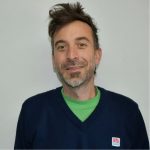 Germán Robert
CONICET Assistant Researcher and INTA Researcher
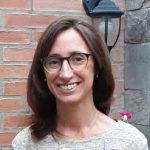 Laura Saavedra Borelli
CONICET Adjunct Researcher
 Damián Cambiagno
CONICET Assistant Researcher
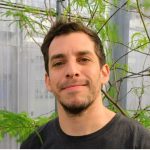 Ignacio Lescano López
CONICET Assistant Researcher
 Virginia Lobatto
CONICET Staff support
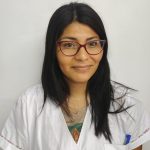 Anahí Yáñez Santos
CONICET Staff support
External collaborators
Dr. Nicolás Cecchini (CIQUIBIC-CONICET)
Dr. Claudio González (FCEFyN-UNC)
Gallery
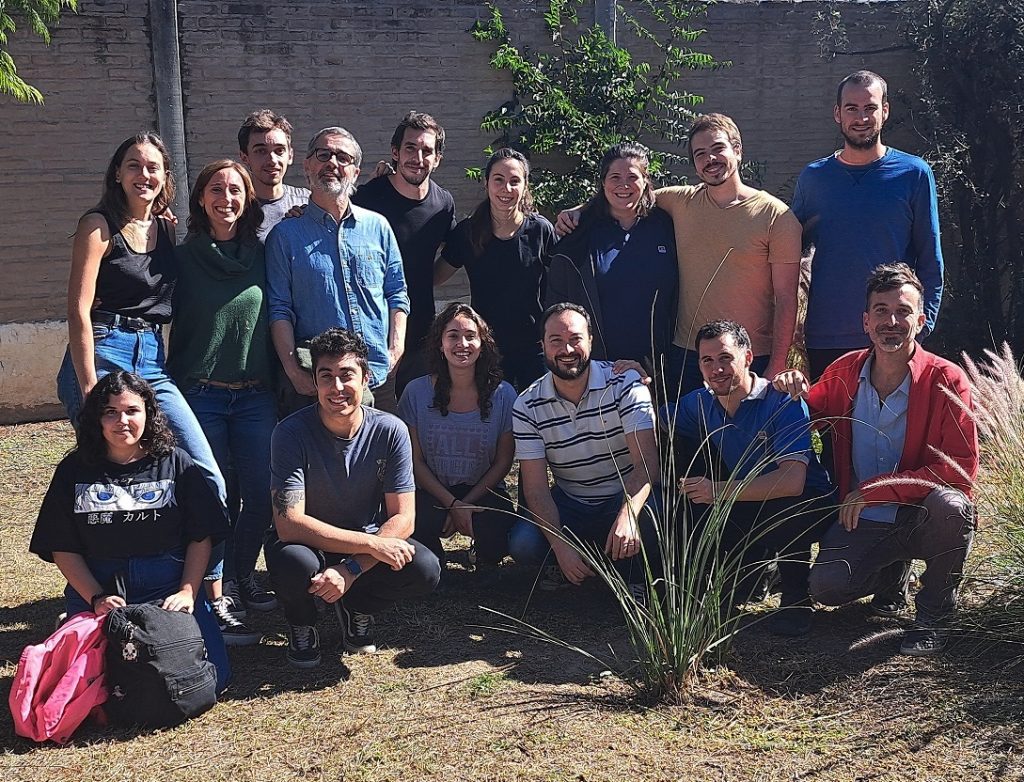
Stress biology group
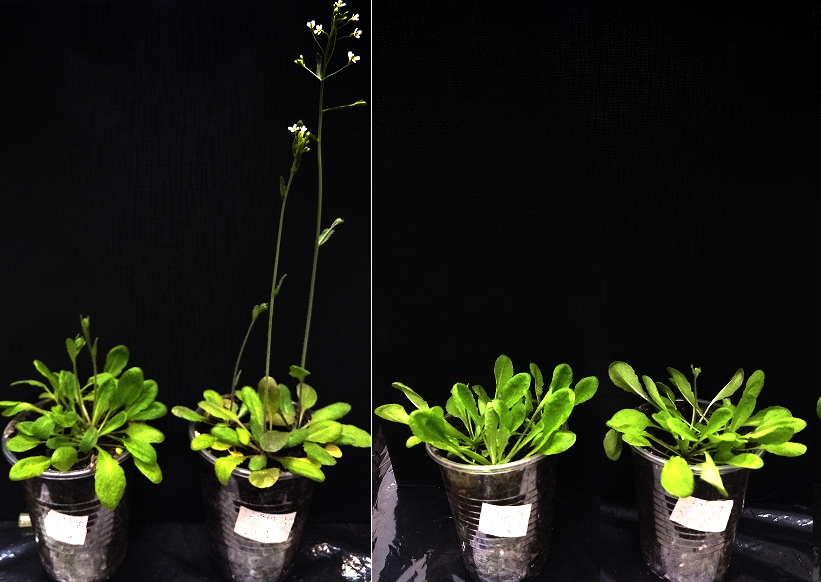
Arabidopsis thaliana is a model plant that we use in the laboratory
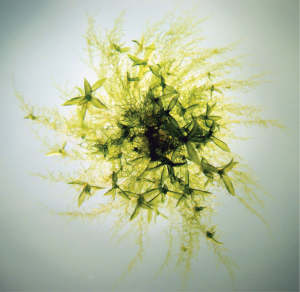
The moss Physcomitrium patens is used as a model organism in our lab
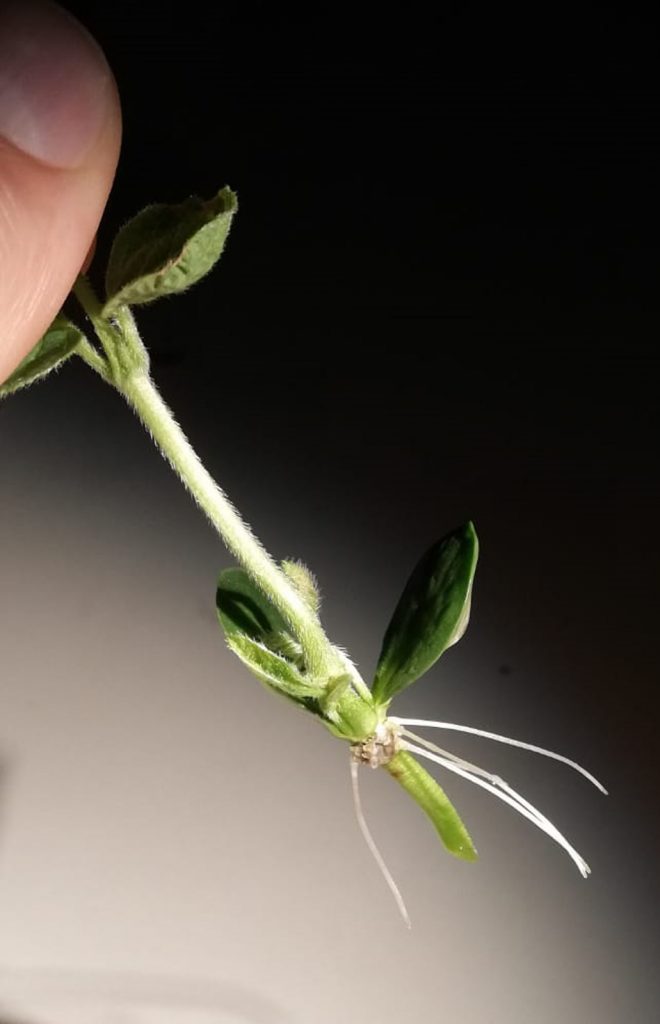
Hairy roots in soybean (Glycine max)